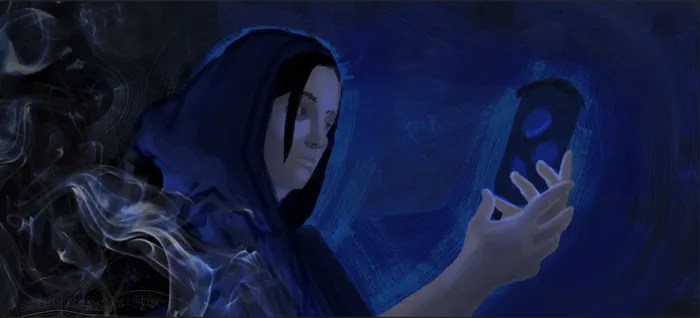
cover art by Tristan Rafferty
Hi!
Welcome back to my blog! If you’re new, I’m so glad you’re here, and hope you decide to stay and join the family! I have been wanting to write this blog for a long time, and decided… if not now, then when?
Over the last few years, the more fellow neurodiverse people I meet, work with or make friends with, the more I realise, just how much creative talent there is between us all.
And I don’t want to play into the narrative of ‘ooh special ability’. Because whilst there aren’t any real statistics of whether a certain percentage of the neurodiverse community is more creative than another group of people, there are certainly aspects of neurodiversity that play a role in the skills I have been privileged to have witnessed over the years.
Of course we can’t disregard the endless challenges and issues we have to work with (and around) everyday. So I think it’s important to preface this blog with this question in mind:
Are some artistic environments unusually good at converting neurodivergent cognitive traits into strengths?
So, with that thought, in today’s blog, I want to spotlight some of the positives, share my thoughts on neurodiversity and creativity, and also showcase some stunning art work from my neurodiverse students and friends.
To break it down, I believe that there are six main reasons why some (not all) neurodiverse people might excel in the arts, and creativity, generally.
Here’s what I think:
1. We notice things differently
Some of us have a really strong attention to detail, or are able to notice subtle differences. And whilst these might not actually provide us with so called ‘artistic talent’, it creates a platform for hugely interesting raw material.
2. Divergent thinking
This applies to many forms of neurodivergence, but particularly to ADHD; being able to generate and link unusual ideas (in multiple and often, simultaneously).
I often link this to the ‘square peg in a round hole’ way of thinking.
3. Being obsessive
Having a special interest is such an amazing way of become the most competent and ‘pro’ in your subject. Again, although it doesn’t exactly ‘make you creative’ or automatically ‘gifted’, it allows you to focus on something particular for much longer periods of time, and in much more detail. And that ‘obsession’ for something you love, often leads to exceptionally practiced skills in arts (like drawing, composition, animation, fashion, sculpting, writing, photography… to name a few)
4. A gateway to communication
Many of us neurodivergent people can struggle with communication, so having a way of expressing ourselves can help us explore our emotions, thoughts and beliefs in a more accessible way.
I know some people who can’t talk about their feelings, but can paint deeply moving images, or write the most relatable songs.
Because art doesn’t have a set rule system, or hold specific expectations, like those for verbal communication, it allows us more freedom.
5. Art is for creative thinkers
I have always found it fascinating, that many of the skills taught and rewarded in education, or at work include things such as: following instructions, remembering information in a specific order, consistency, social interactions, speed and precision and generally following the conventional way of thinking and working.
But creative fields, actually reward almost the opposite; experimentation, seeing things differently, originality, developing unique ideas and style, obsessive thinking, questioning conventions and unusual perspectives.
Which means some neurodiverse people are sometime much more suited to the creative field than perhaps a subject which requires a more rigid structure! How cool is that?!
6. Creativity for regulation
It’s so interesting how creative activities can provide not only focus, but also sensory stimulation. Whilst someone might find 3 hours of work extremely stressful and tiring, those same hours spent on a creative outlet (take pottery for example) can be deeply regulating.
This pattern can create what we call a ‘feedback loop’:
Interest leads to:
intense engagement – practice – increased skill – positive feedback – further engagement – (and so the loop continues)
Further thoughts
Neurodivergence is no ‘superpower’. I would frame it more as a different cognitive profile which contains both potential strengths and difficulties. Interestingly, it’s often the difficulties that lead to, and create environments where people thrive in the creative world.
For example:
Someone with high sensitivity or sensory overwhelm may have an extraordinary sensitivity to different sounds textures, colours etc.
Or a person with extreme hyper-focus who finds difficulty switching tasks, will spend hundreds of hours developing a specialised skill.
People like myself who have divergent thinking and often struggle in finding the ‘expected answer’ can brainstorm unique and unusual ideas.
I know several people with strong interests, (who of course to others may appear as ‘obsessive’), that have deep expertise in their creative fields.
So to revisit the question from earlier, whether some artistic environments are unusually good at converting neurodivergent cognitive traits into strengths? Yes, I really think they can be.
Let me know what you think
I would love to know about your experiences with neurodiversity and the creative world!
I’d like to take this opportunity to thank my lovely students and friends for sharing their art and stories with me. I hope you enjoy looking at them as much as I have!
Until the next time, Adel x
Artwork Virtual Gallery
Amy @amys.blue.prints
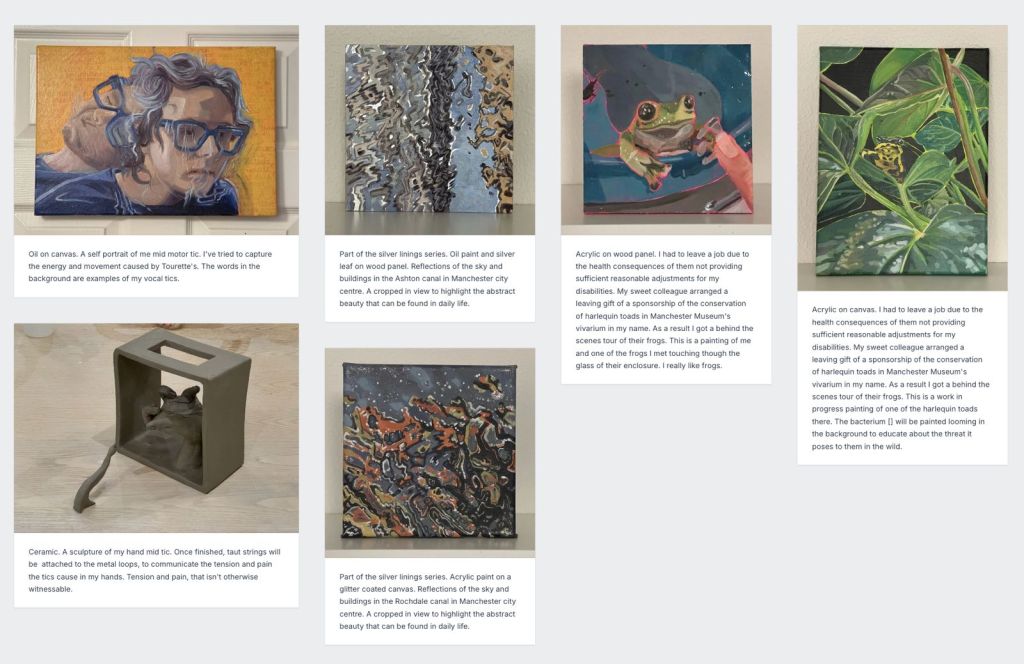
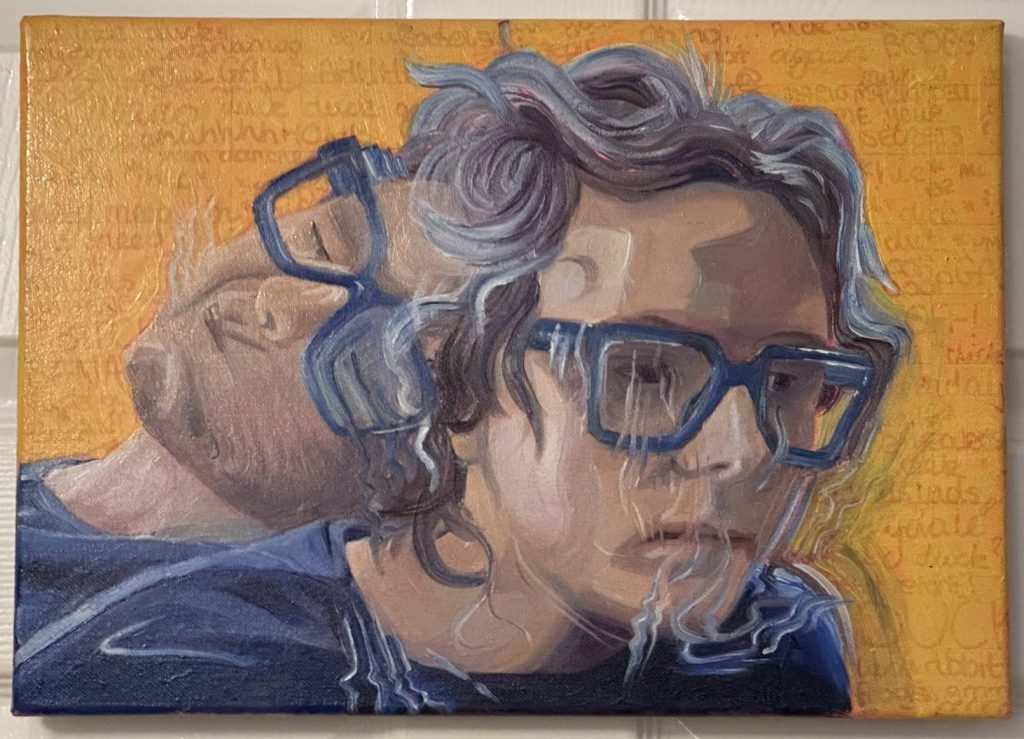
Oil on canvas. A self portrait of me mid motor tic. I’ve tried to capture the energy and movement caused by Tourette’s. The words in the background are examples of my vocal tics.
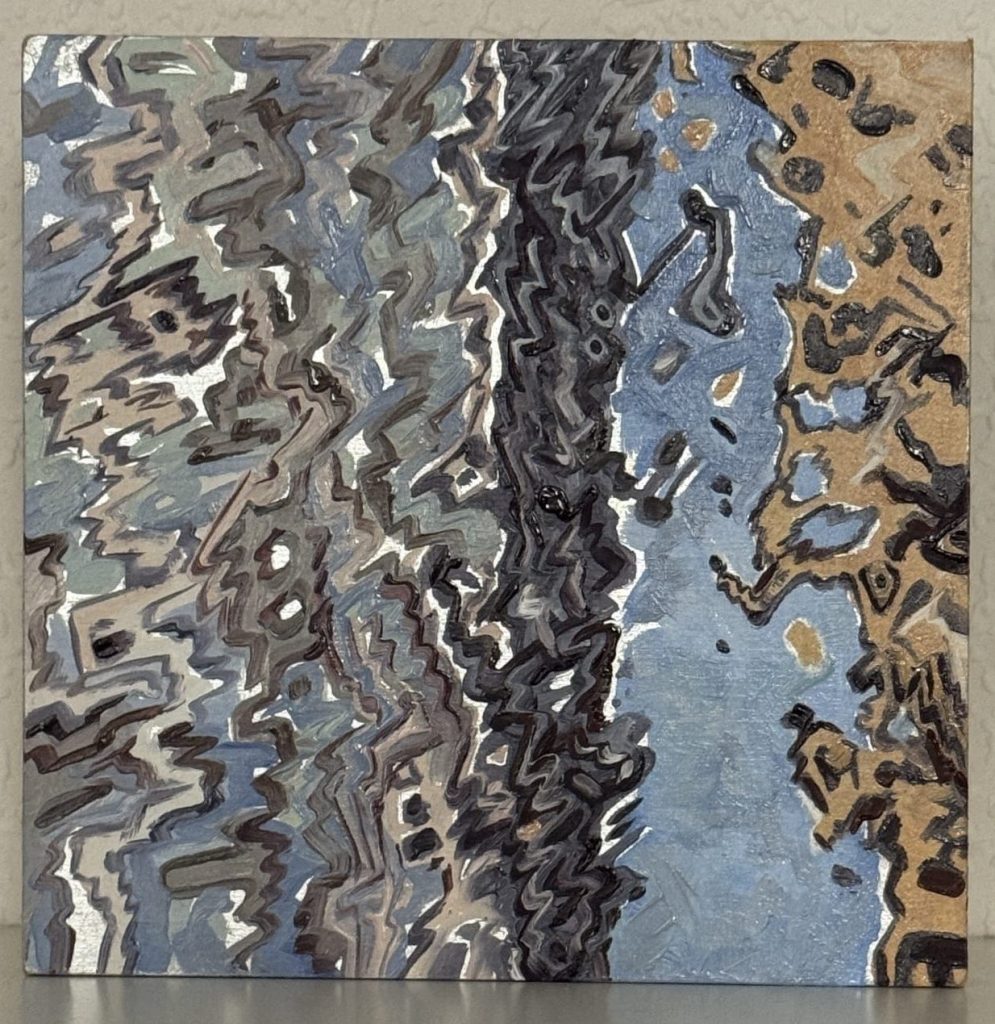
Part of the silver linings series. Oil paint and silver leaf on wood panel. Reflections of the sky and buildings in the Ashton canal in Manchester city centre. A cropped in view to highlight the abstract beauty that can be found in daily life.
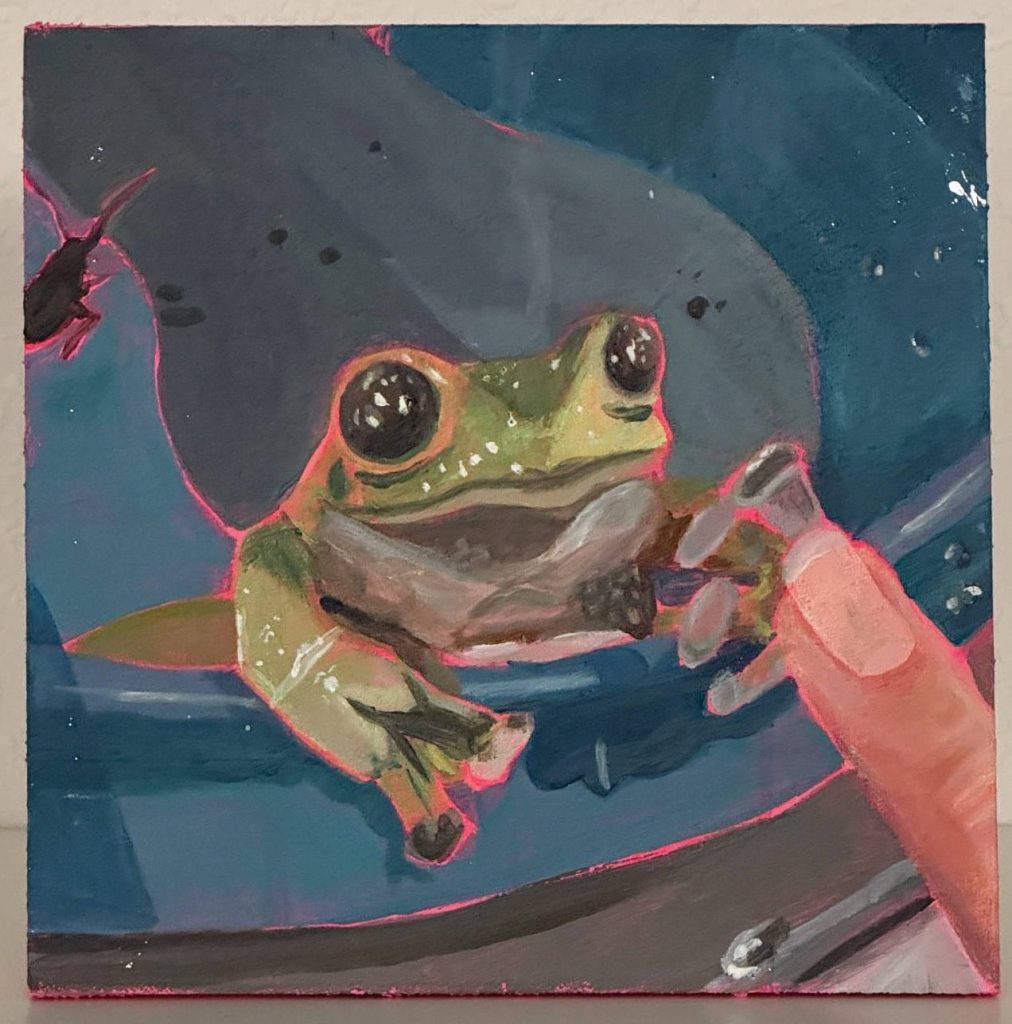
Acrylic on wood panel. I had to leave a job due to the health consequences of them not providing sufficient reasonable adjustments for my disabilities. My sweet colleague arranged a leaving gift of a sponsorship of the conservation of Variable Harlequin toads in Manchester Museum’s vivarium in my name. As a result I got a behind the scenes tour of their frogs. This is a painting of me and one of the frogs I met touching through the glass of their enclosure. I love frogs.
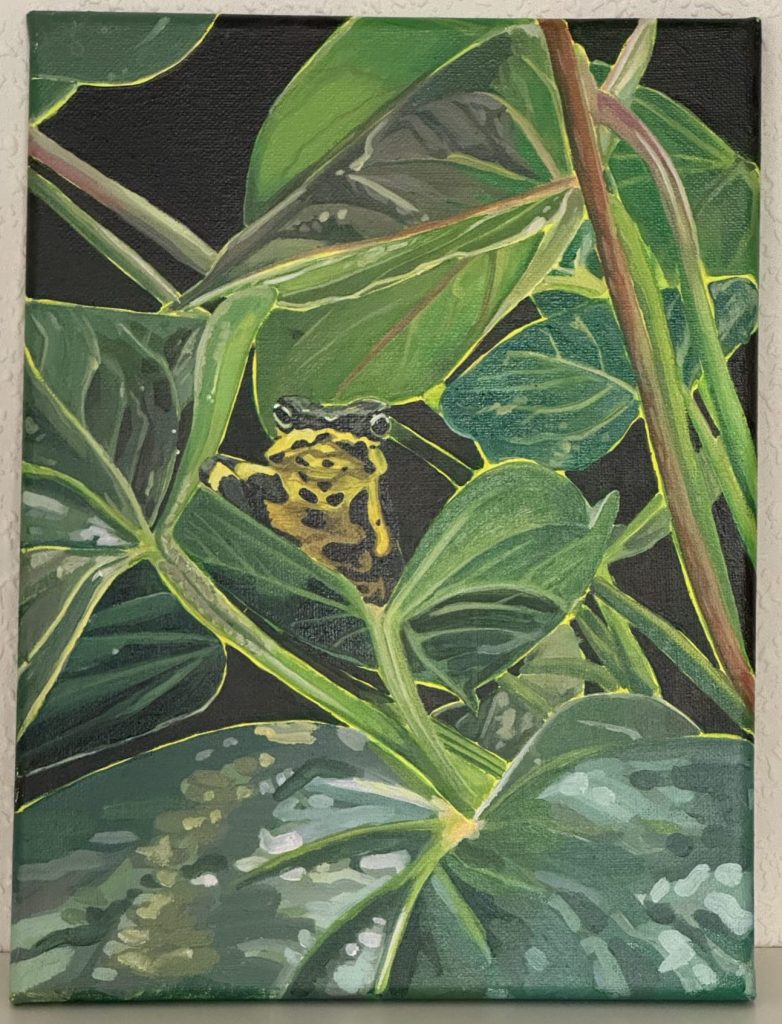
Acrylic on canvas. I had to leave a job due to the health consequences of them not providing sufficient reasonable adjustments for my disabilities. My sweet colleague arranged a leaving gift of a sponsorship of the conservation of Variable Harlequin toads in Manchester Museum’s vivarium in my name. As a result I got a behind the scenes tour of their frogs. This is a work in progress painting of one of the variable harlequin toads there. The amphibian chytrid fungus will be painted looming in the background to educate about the threat it poses to them in the wild. I love frogs.
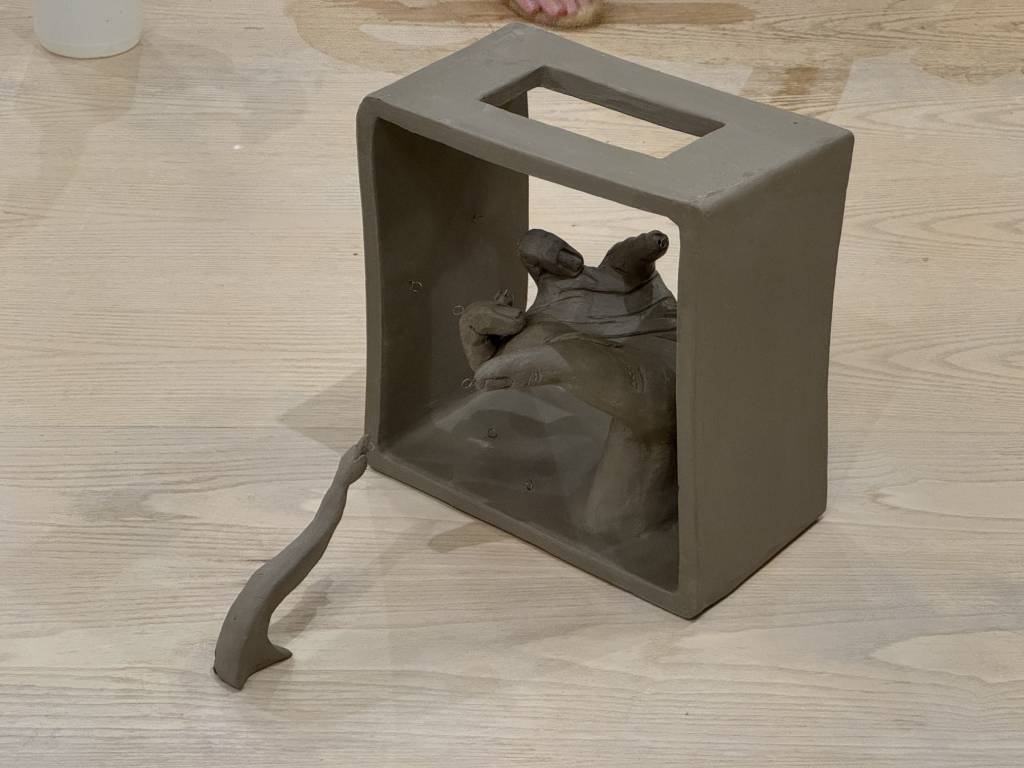
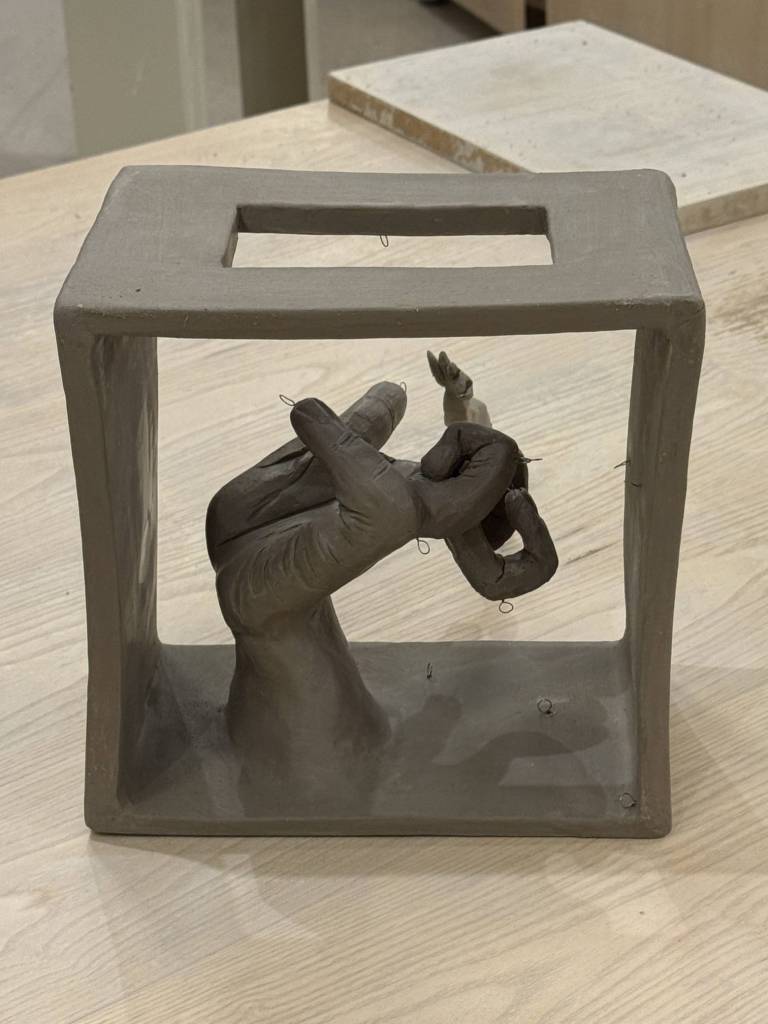
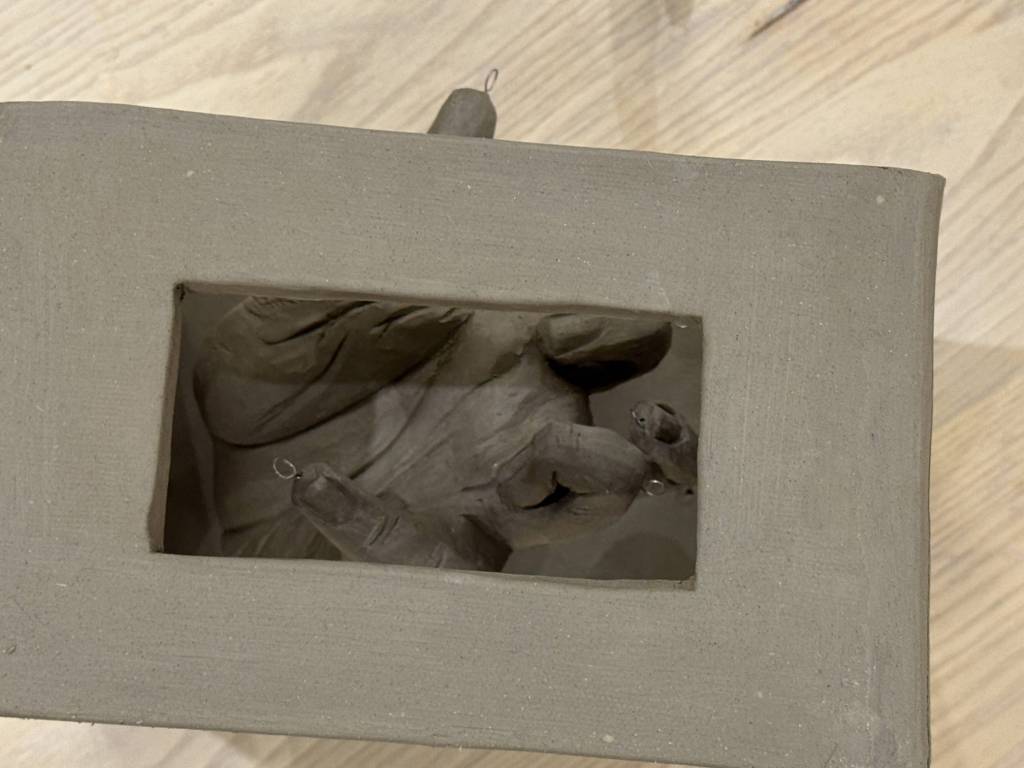
Ceramic. A sculpture of my hand mid tic. Once finished, taut strings will be attached to the metal loops, to communicate the tension and pain the tics cause in my hands. Tension and pain, that isn’t otherwise witnessable.
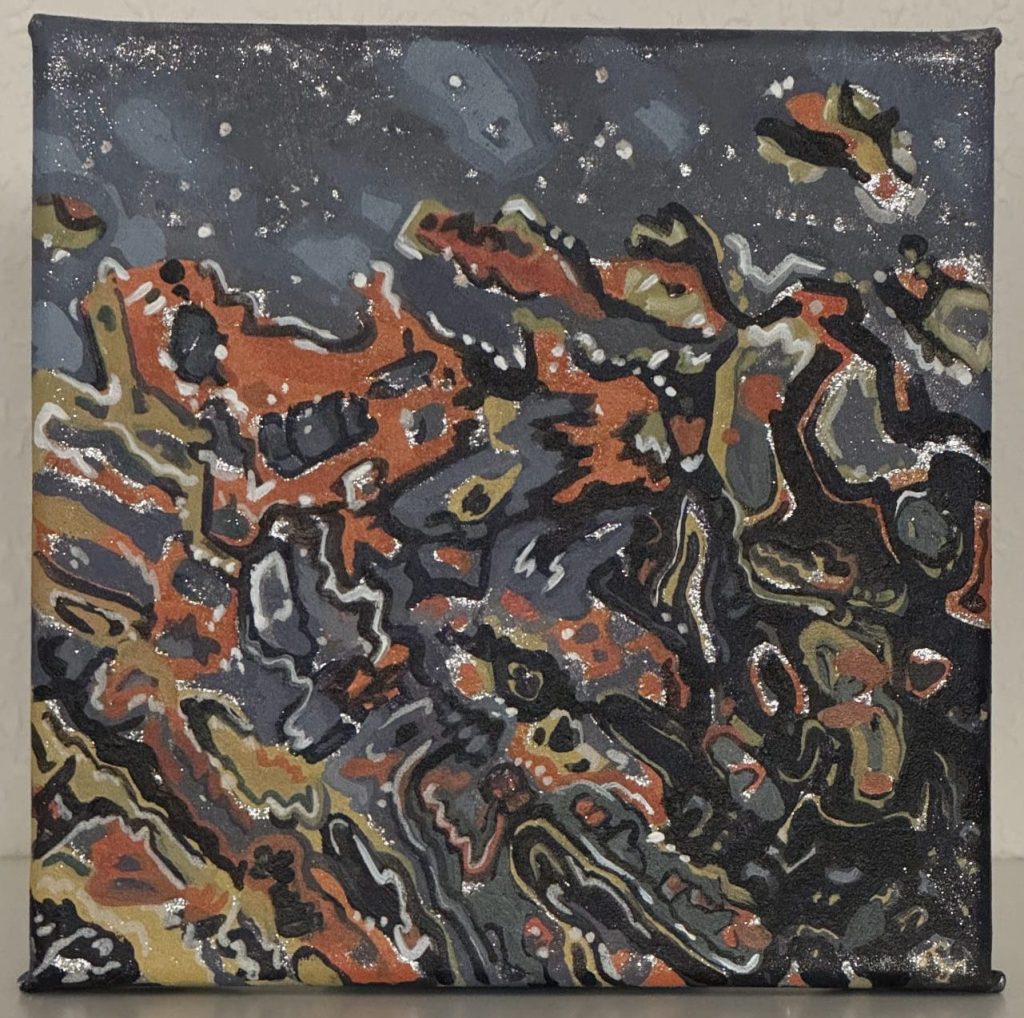
Part of the silver linings series. Acrylic paint on a glitter coated canvas. Reflections of the sky and buildings in the Rochdale canal in Manchester city centre. A cropped in view to highlight the abstract beauty that can be found in daily life.
Mason
So I have chosen to show the second rabbit I ever made, which I think is one that turned out the best.
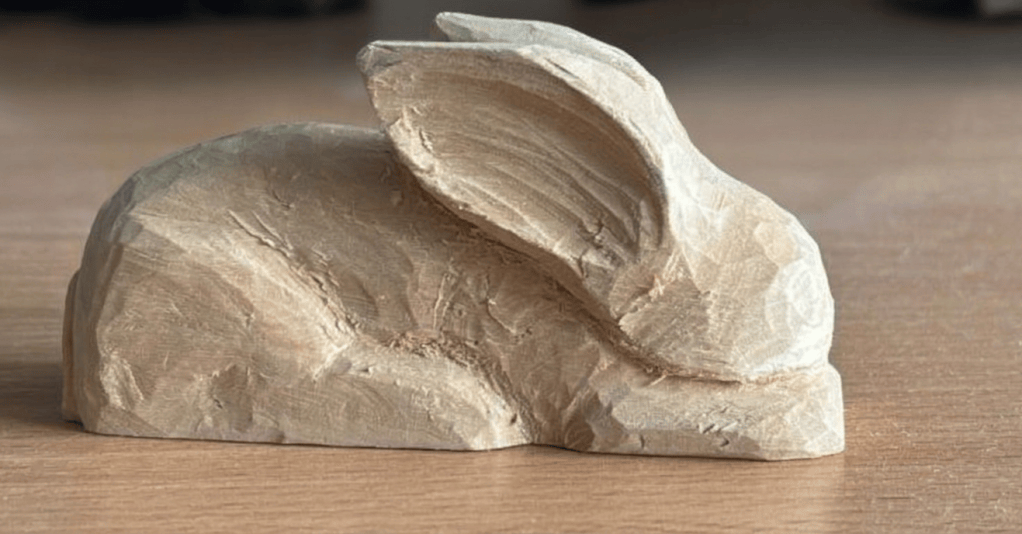
While I’m not very good at whittling, it brings me a lot of comfort as it is something that can be dangerous, so it requires a lot of focus and concentration that means everything else just settles into the background.
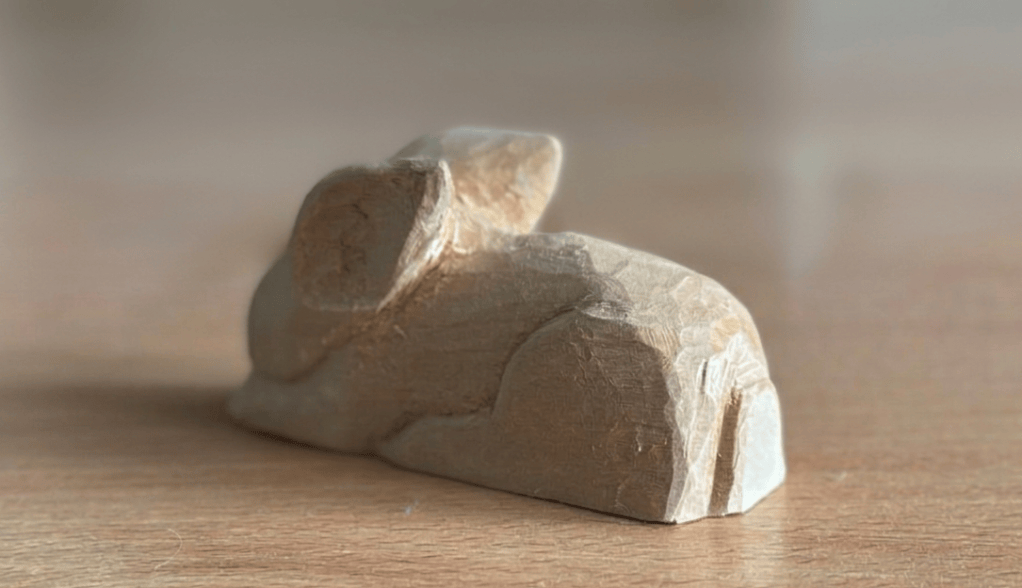
What inspired me is my own rabbit, and also it was a rabbit that I was making for a child else that had neurodivergent issues, but unfortunately she left my sisters school before I could complete the set!
The process for me is to select the right bit of wood (so making sure no cracks, knots etc.)
Drawing out the rough design I’d like to follow, sharpening the knives and then choosing a section to start on.
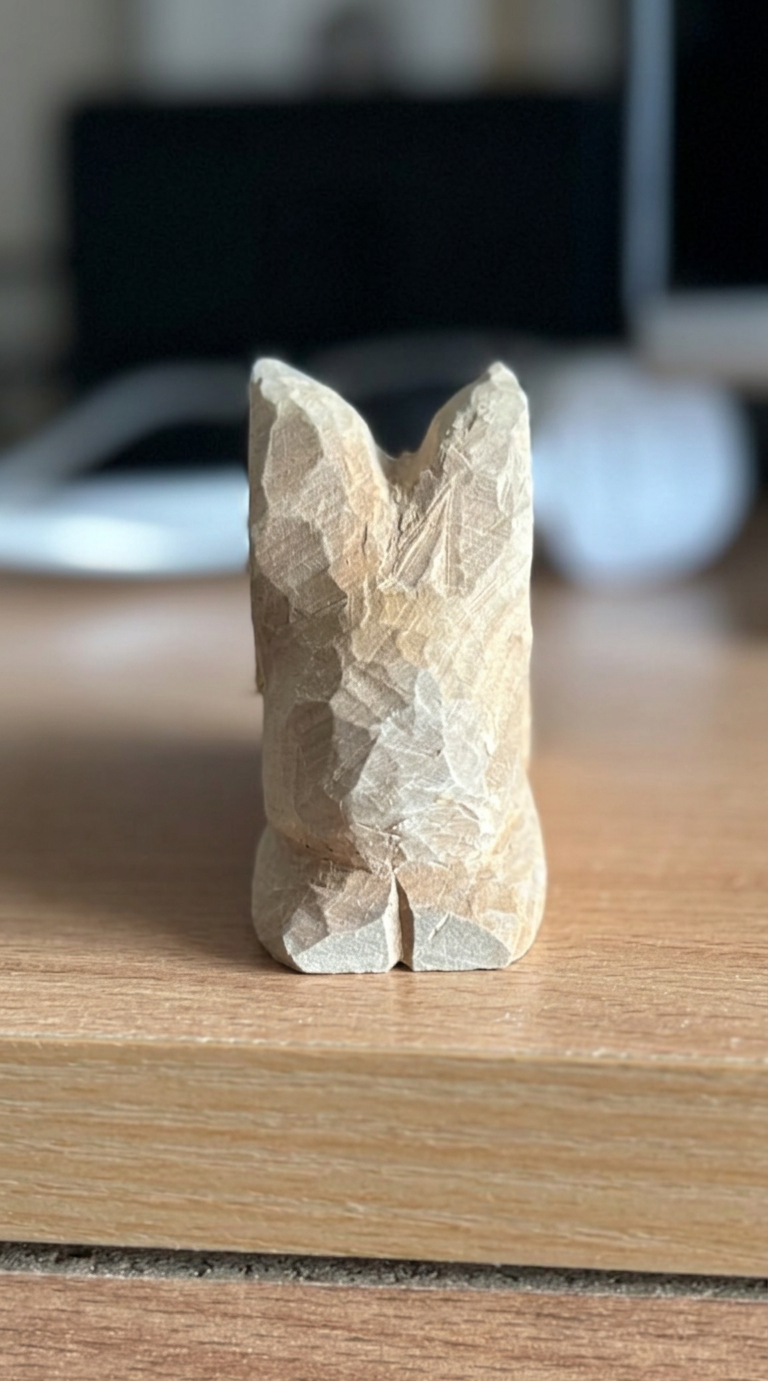
It takes time (and again, I’m not very good at all), and mistakes happen a lot, but I can rectify it as I go along. It’s a simple and nice hobby.
After the carving has been done, it will lead to sanding with different grit paper to smooth out the edges, heat treatment with a heat gun to toughen the wood, give it a nice burn pattern and colour, then finally treating with some wood oil to add a layer of toughness again, but reduce any moisture affecting it
Then that is that!
Bee
This is my fav thing that I’ve made! It’s my fav random history fact!
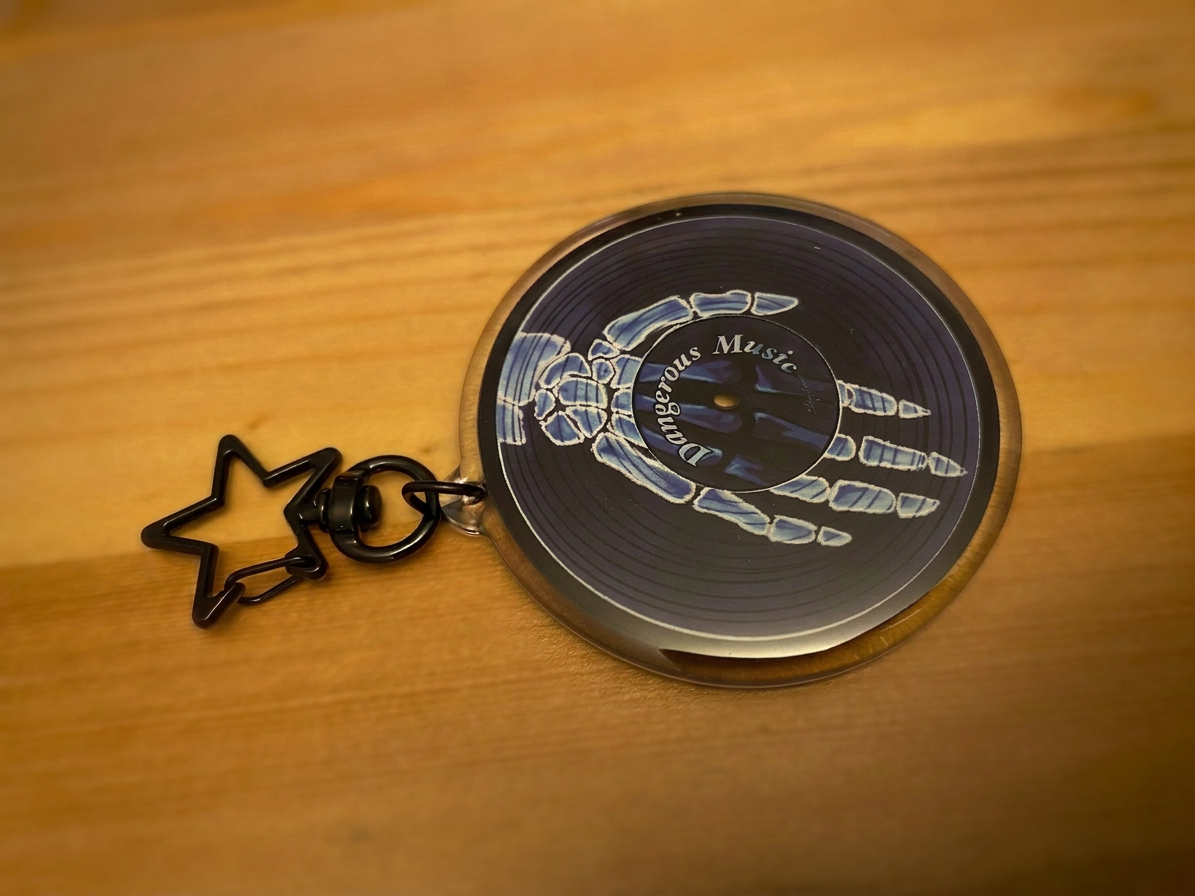
In the soviet union, western music was banned, so people would smuggle it into the country and press vinyls into discarded X-ray sheets ( they would pull used X-rays out of the bin because at the time it was a similar material).
So you would have these illegal vinyls with skeleton pictures in the material. And it was music like Queen and The Beetles. It’s just such a fun piece of rebellion!
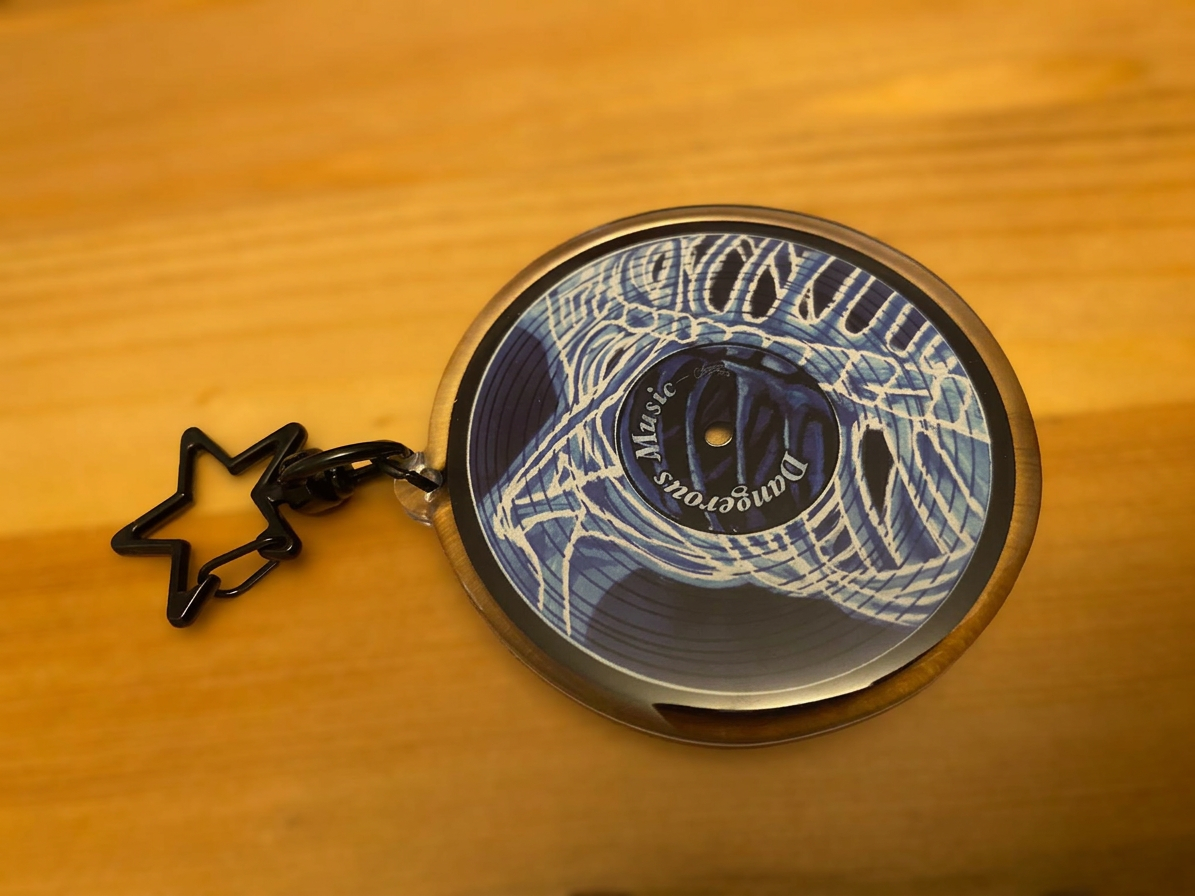
The art itself was made digitally, and then I formatted it to be double sided. I had them made up into key rings because I like how they are round with a hole in the middle. It makes it feel more like a physical item, like the vinyl itself.
Tristan
Download a digital version of Tristan’s Zine here: https://tristanrafferty.itch.io/vagroy
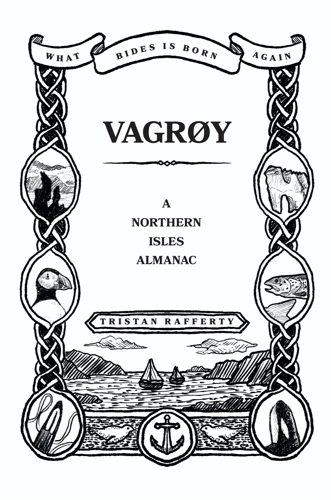
I was inspired by the lack of fantasy/speculative fiction surrounding the North Sea. I think it’s such a wonderfully rich area for fiction to explore.
Growing up in Shetland, I learnt a lot about folklore because there are still plenty of old folk who believe it. Mum says folklore is one of the things she remembers me being interested in from absolutely tiny. I was interested in creating my own folkloric and Shetland-inspired alternate history stories.
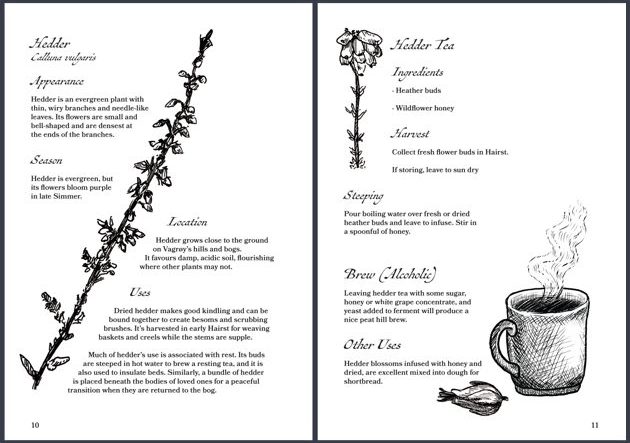
It took me a year to make because my pancreas was trying to kill me but it was so good to get it done. For the cover, I was inspired by an actual 1954 almanac I found at work. I used the visual language from that. The cover itself is foil printed on the real version.
The sketches were almost all done with fountain pen and then scanned in. The others were done digitally with Krita. I drew some of them while I was in hospital.
@bookmarks_steppingstones
I chose a painting I did a few months ago.
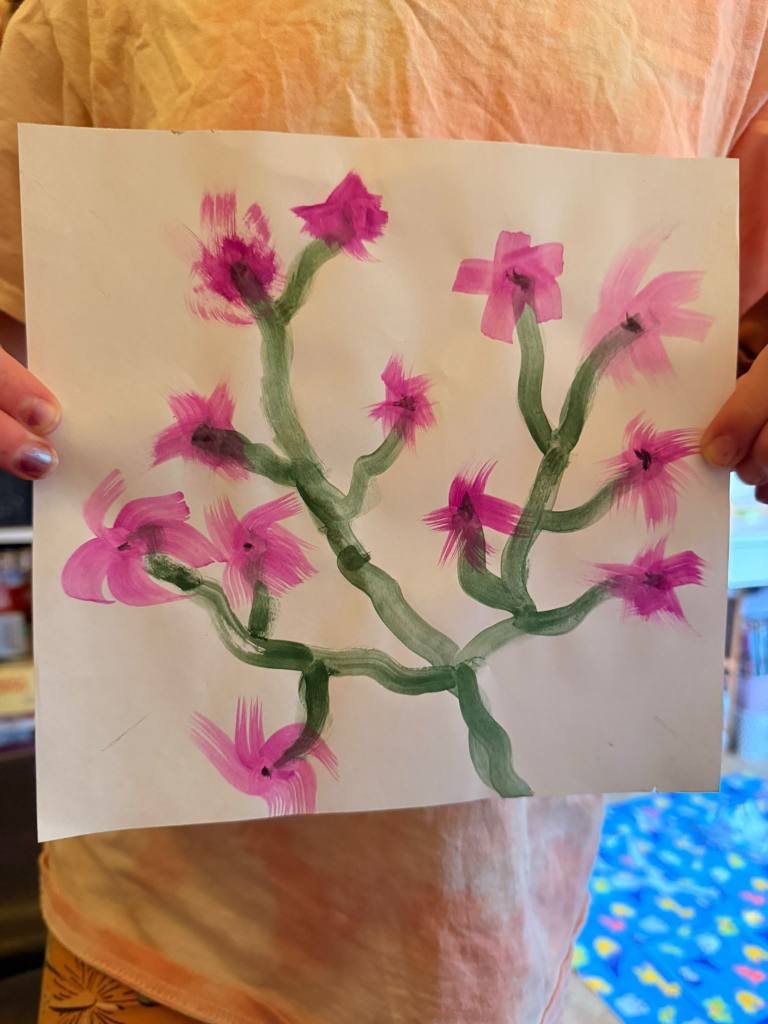
It was a day I felt quite dysregulated and I needed a moment to feel calm. I decided to sit outside and do some painting.
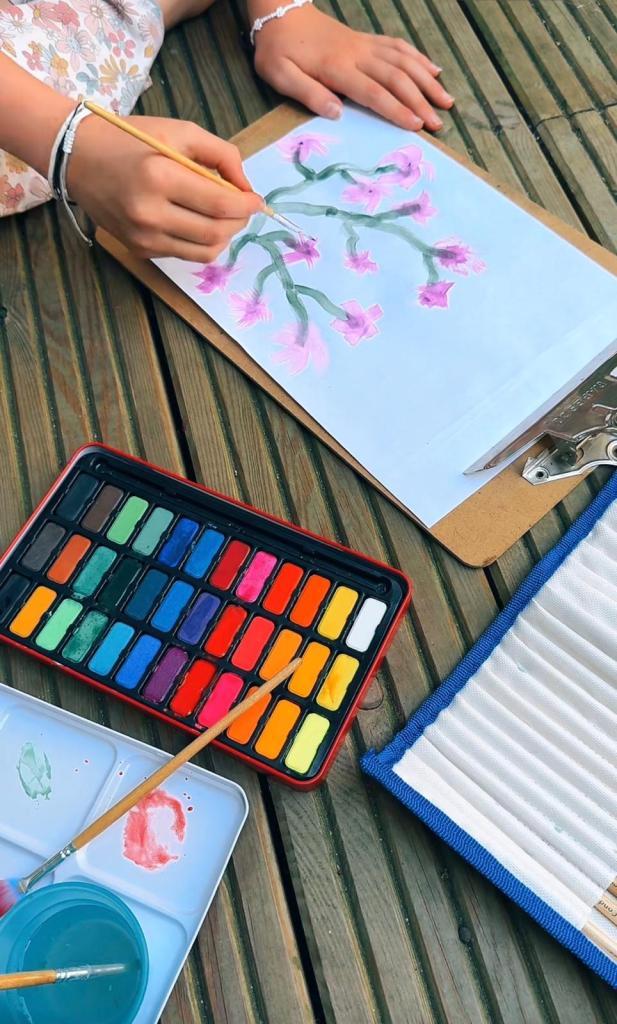
I had no idea what to do and was annoyed at not having any ideas and this just developed naturally.
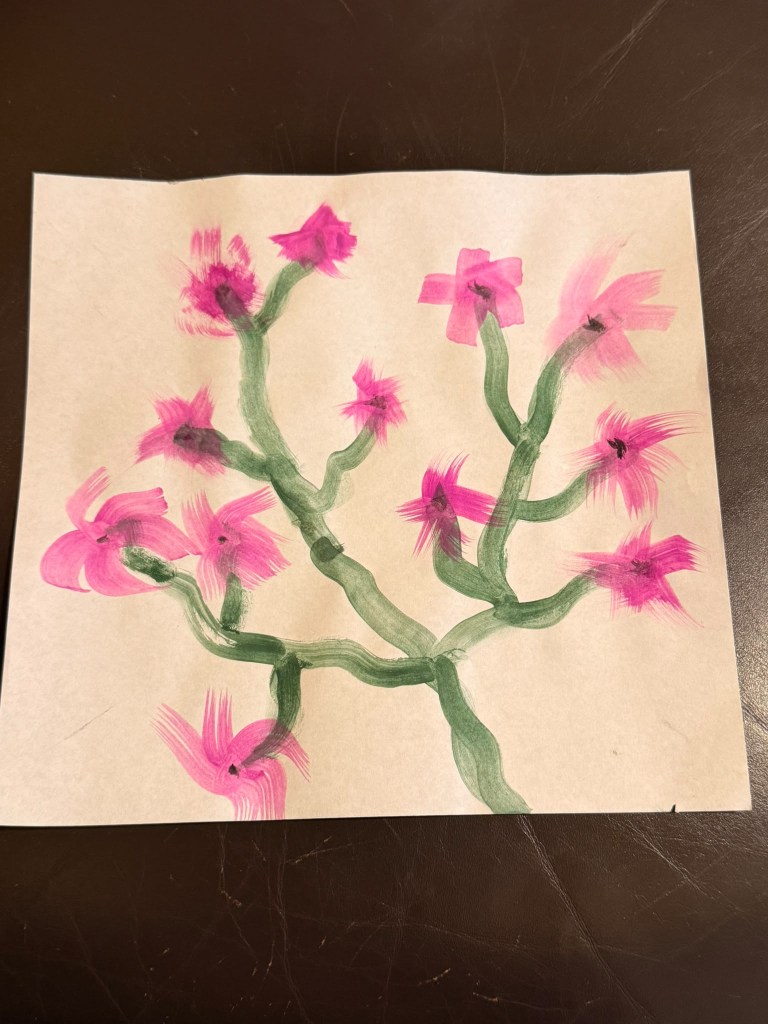
I loved it and felt reset afterwards. I think also being sat in the garden helped with my regulation.
Katie Davis-Ewins
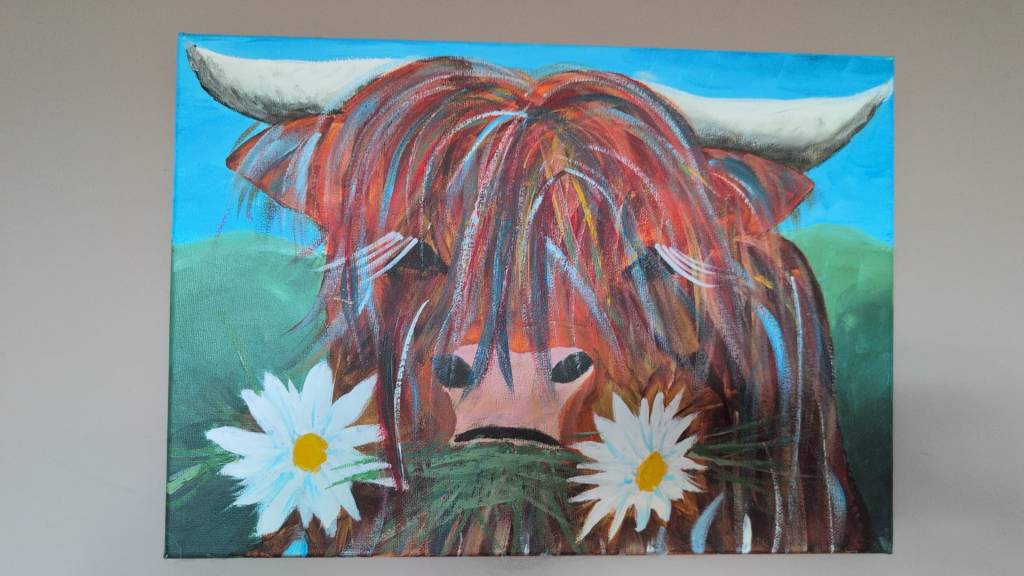
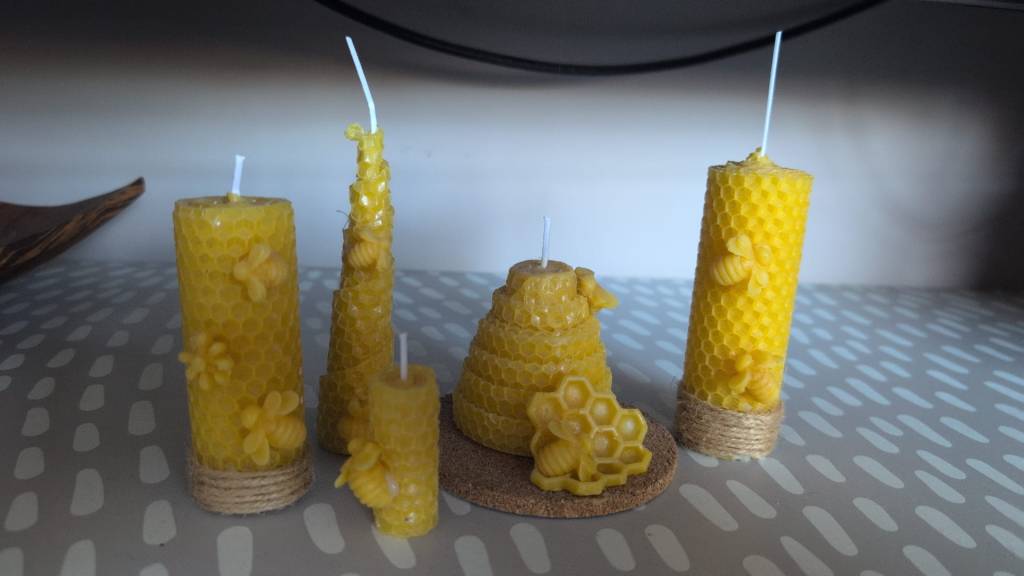
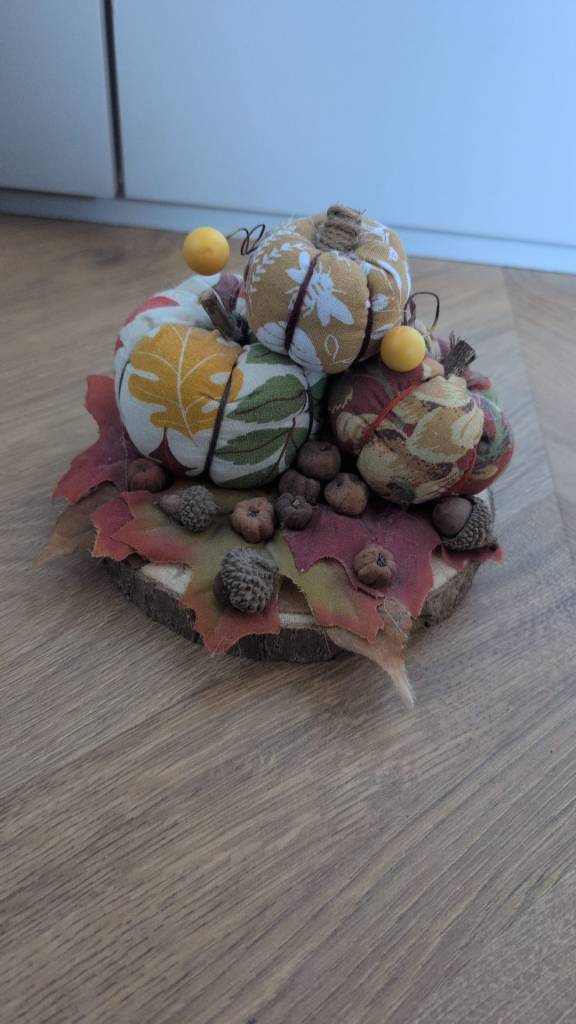
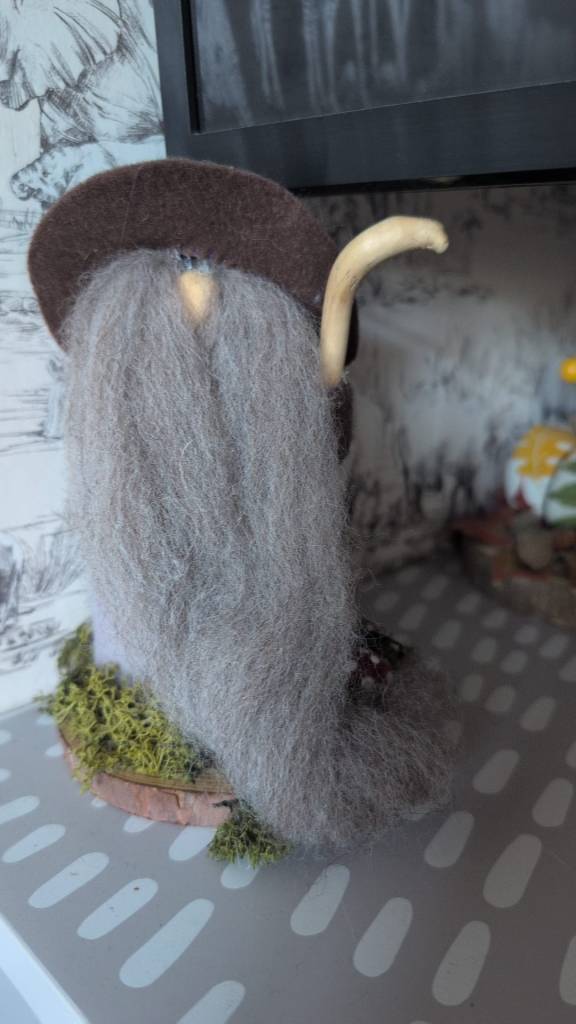
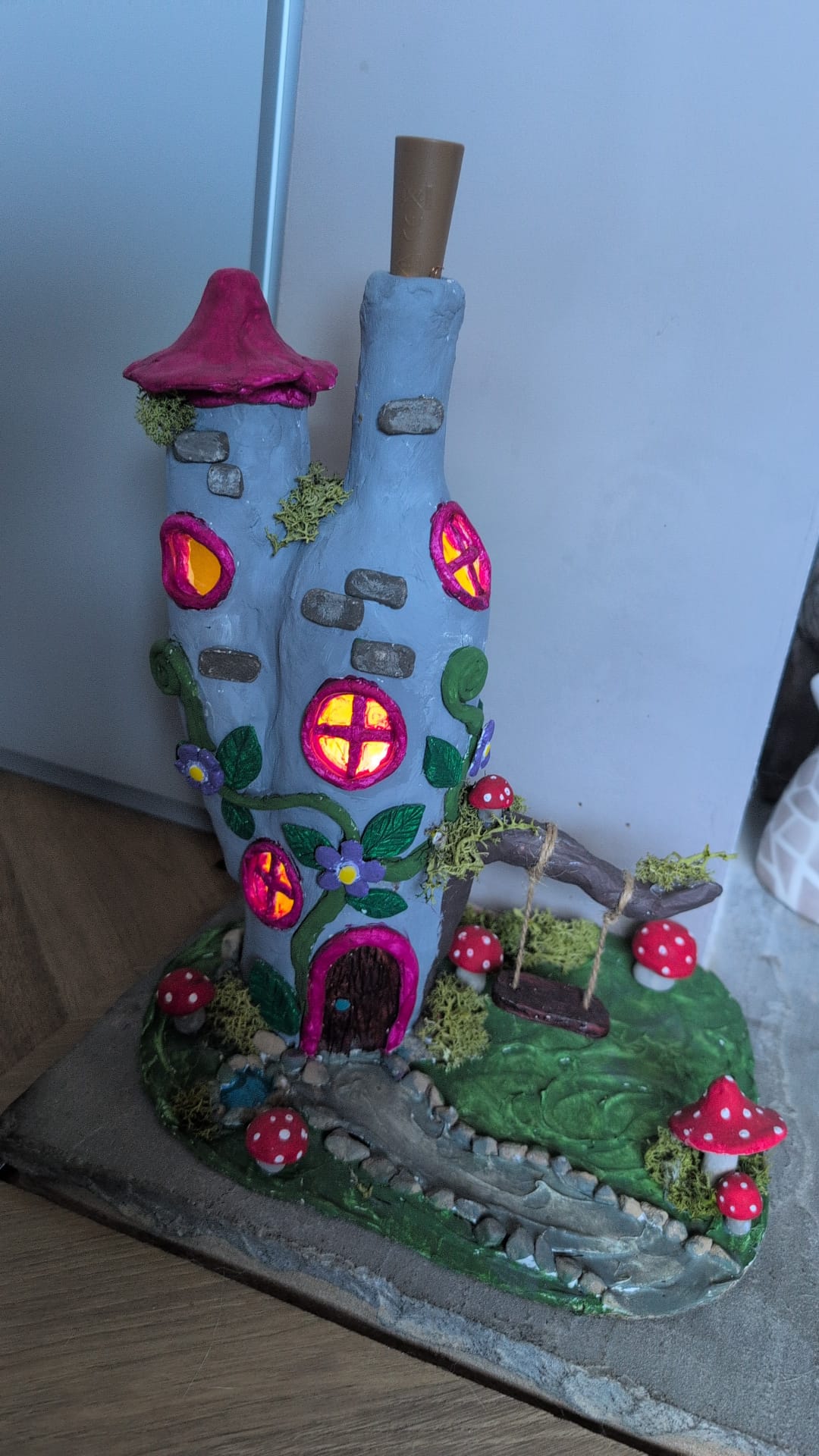
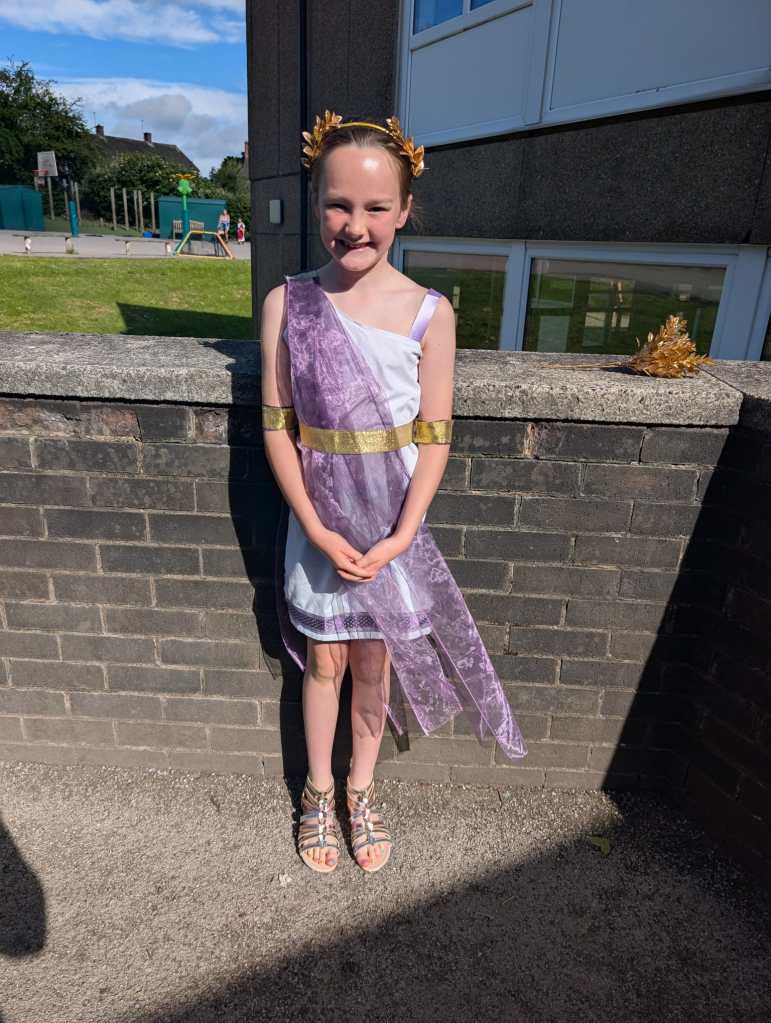
I love all sorts of art, and also teach environmental crafts. Here is a collection of some of the things I have made recently.
Karina and Adel – Multi-award Winning Musicians, Singers, Songwriters and Harpists
We began playing the harp when we were seven and ten, taking inspiration from contemporary music which later influenced our playing and writing style. We have always enjoyed exploring new techniques, some of which we developed during our experimental playing.
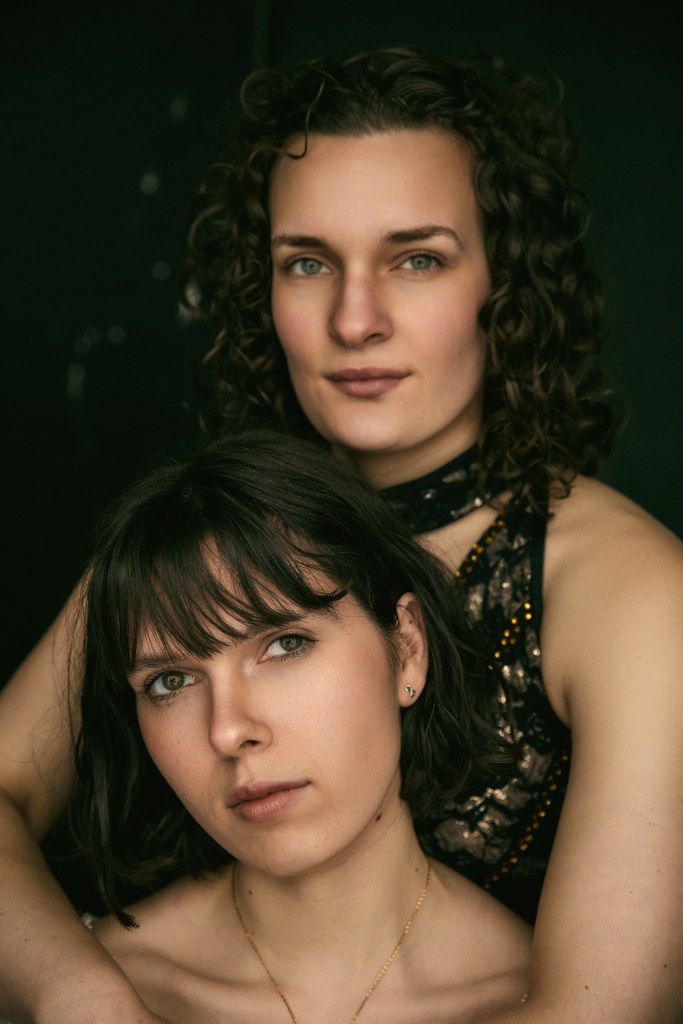
We have always had a real passion for composing music; writing lyrics and creating accompaniments on multiple instruments including the harp and piano for the voice.
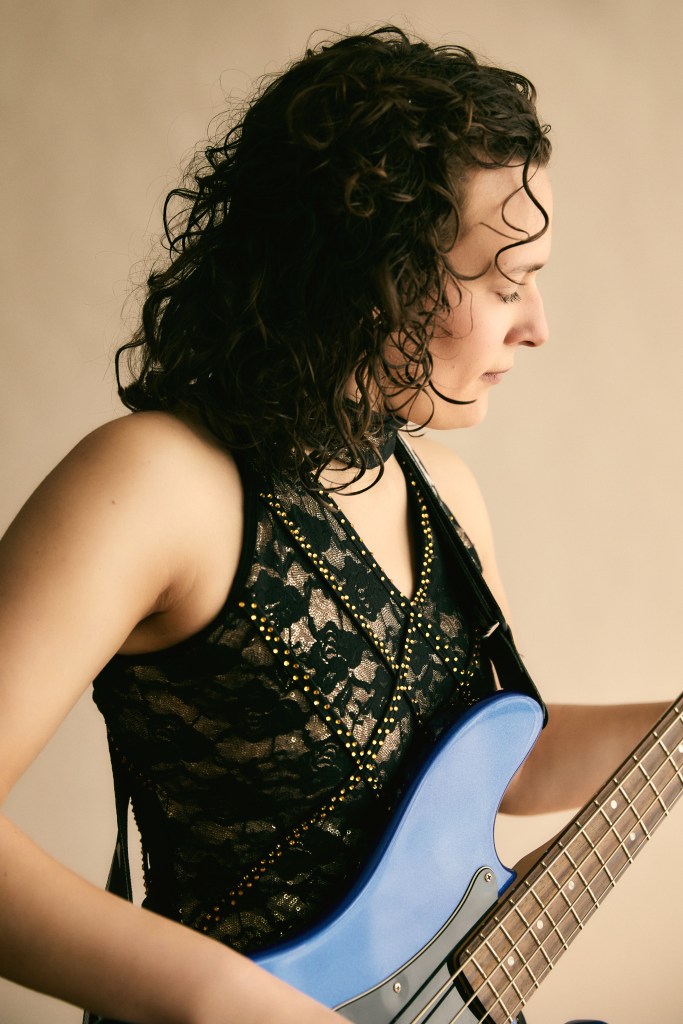
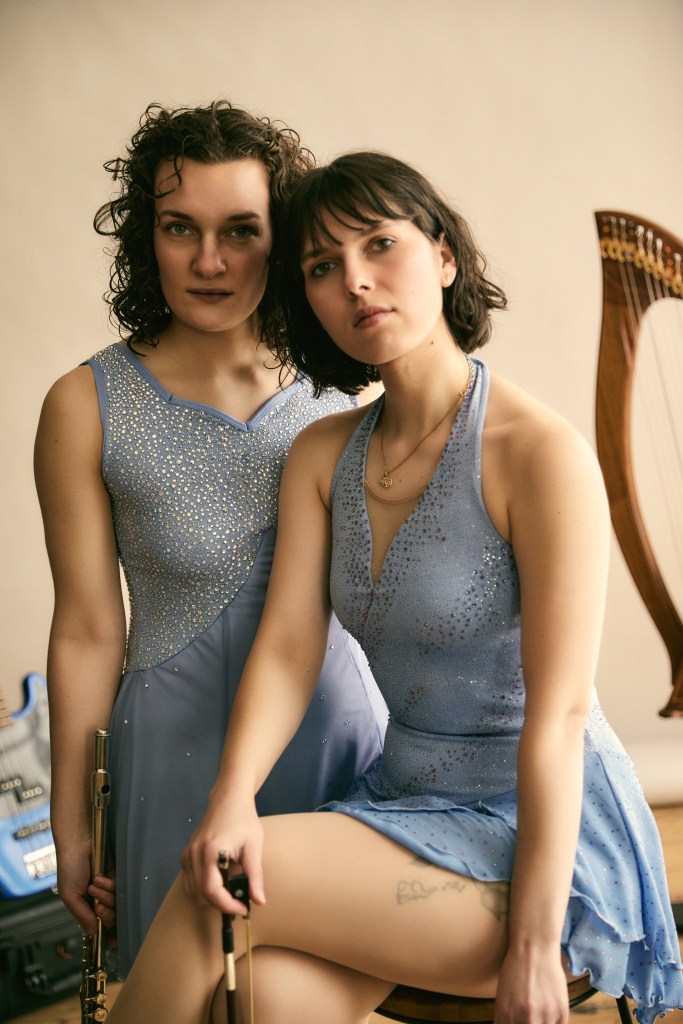
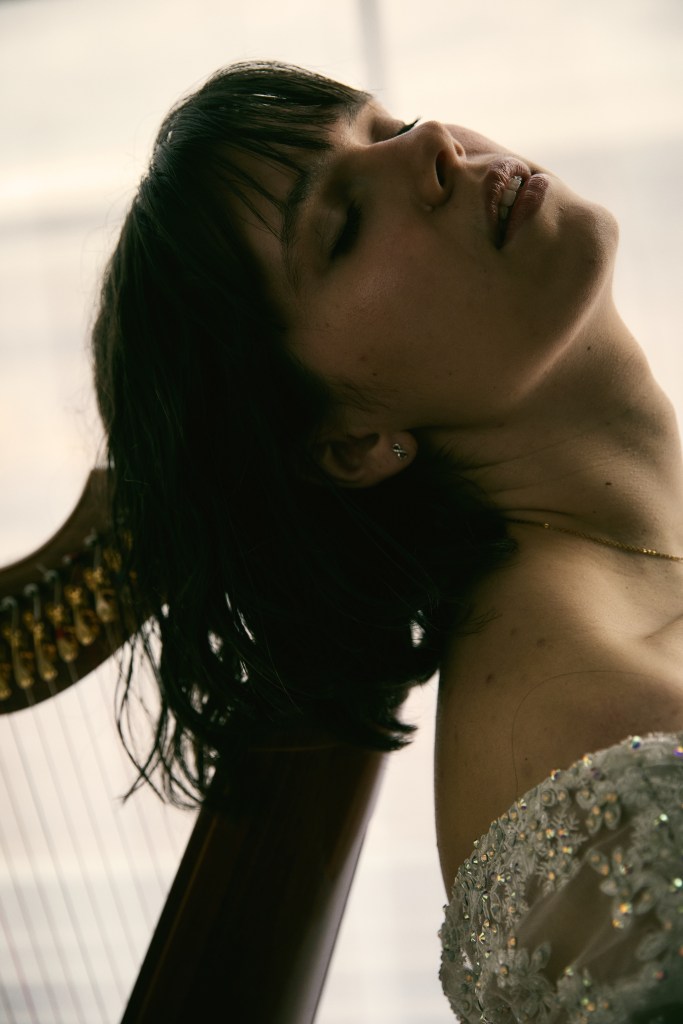
We use an alternative-folk style which captures the storytelling of our songwriting and gives us the freedom to explore melodically and rhythmically.
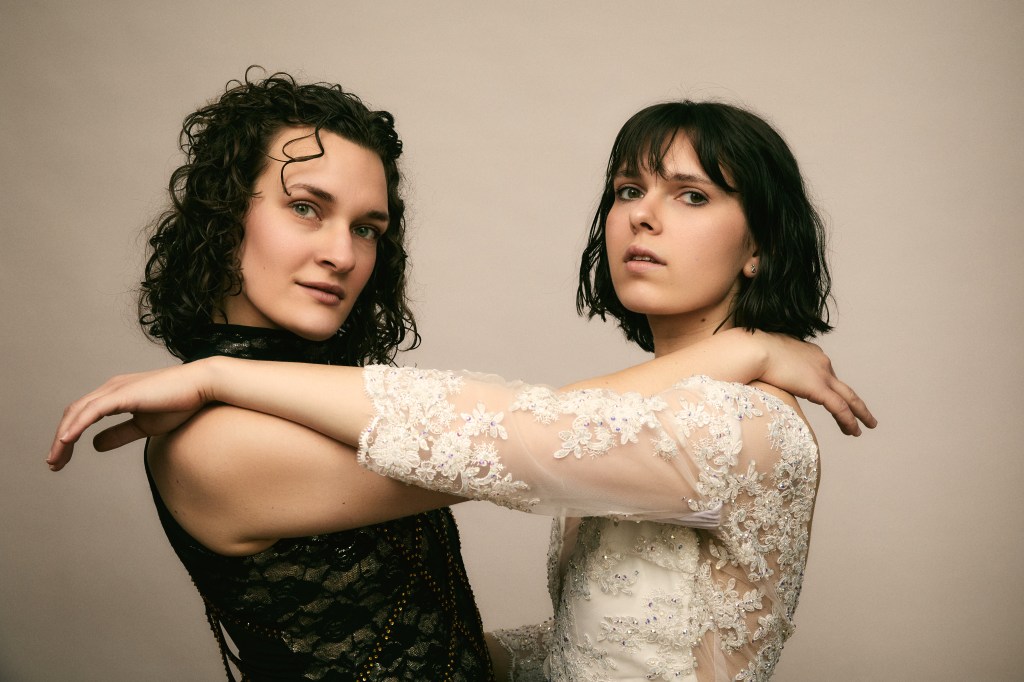
Stream Adel and Karina’s original music:
Apple Music https://music.apple.com/gb/artist/coco-caramel/1801245986
Spotify https://open.spotify.com/artist/7zknb17vNKlCeDcLQSXIND
YouTube https://www.youtube.com/channel/UCpi9I10f6ecp0gUqndU6TnQ
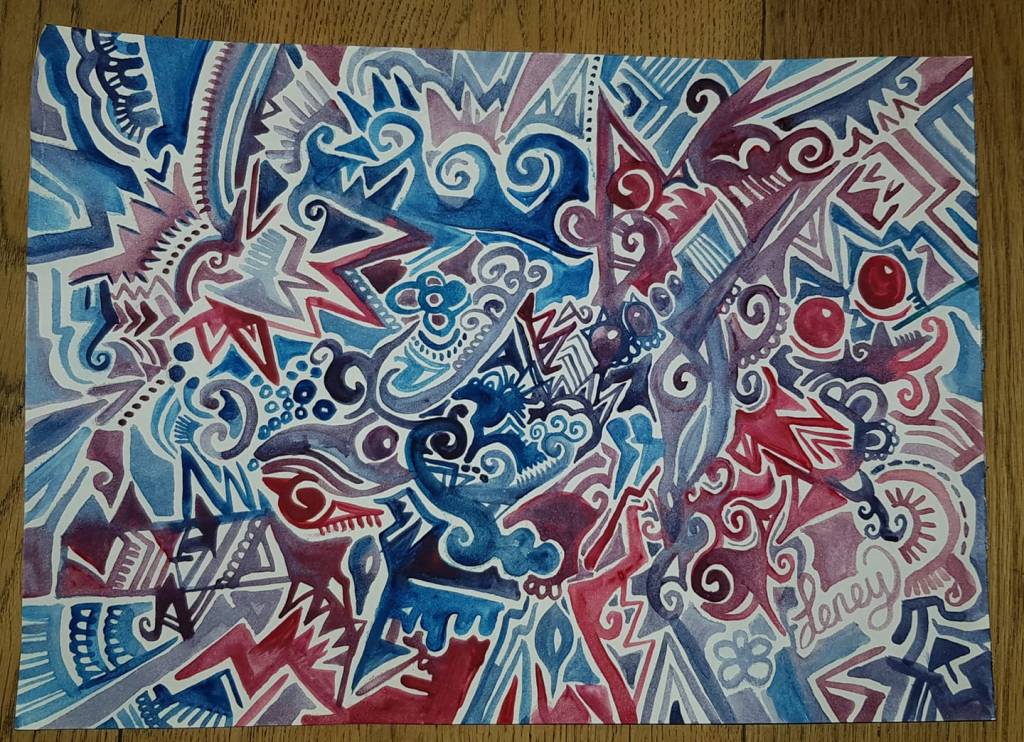
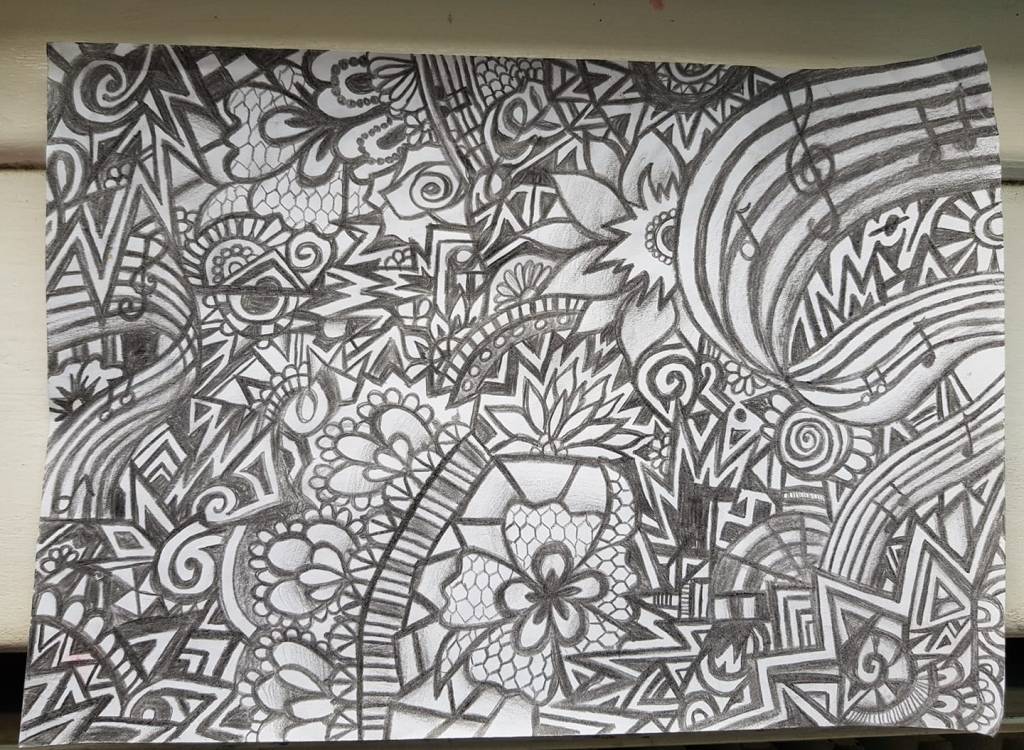
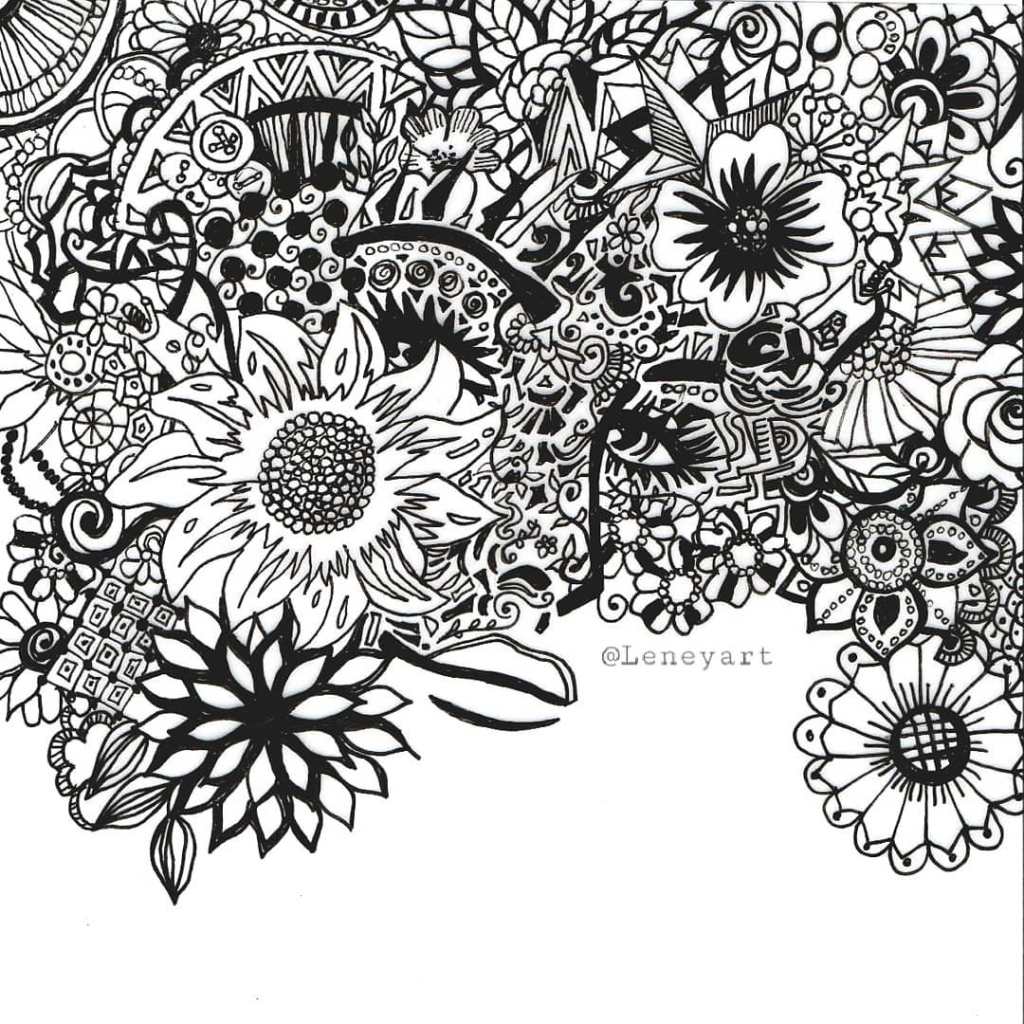
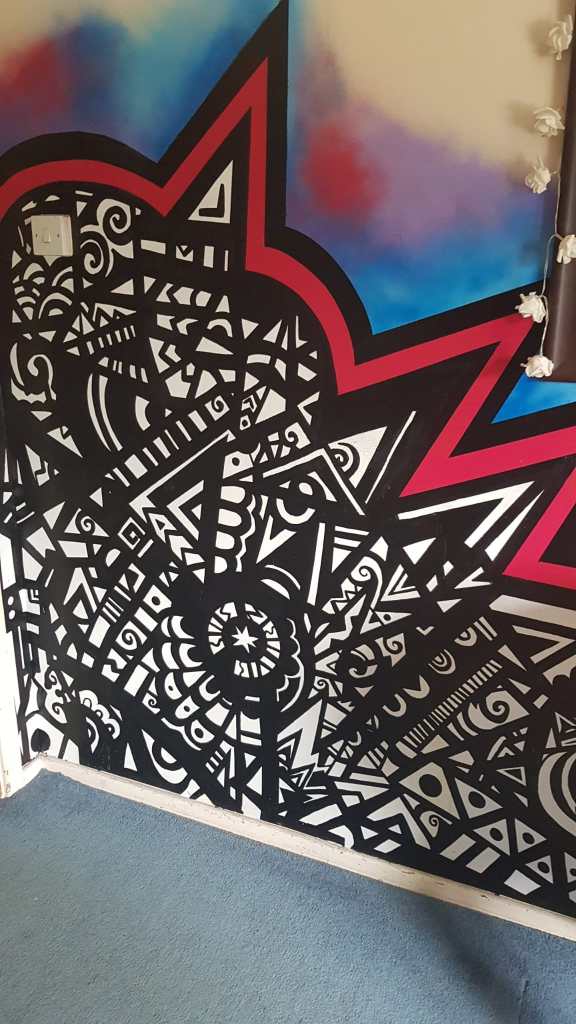
@leneyart
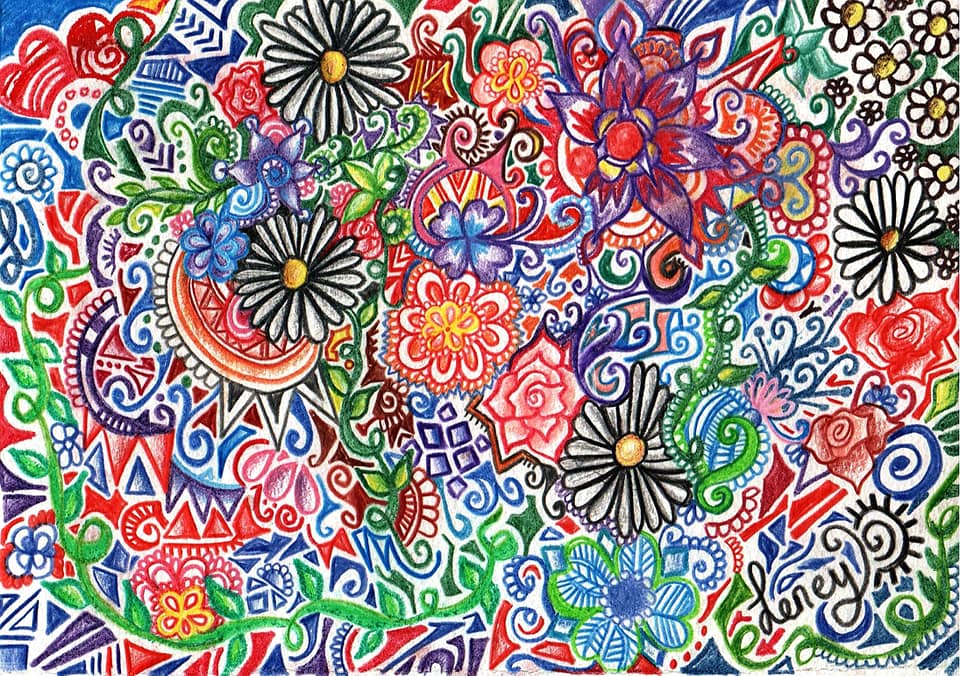
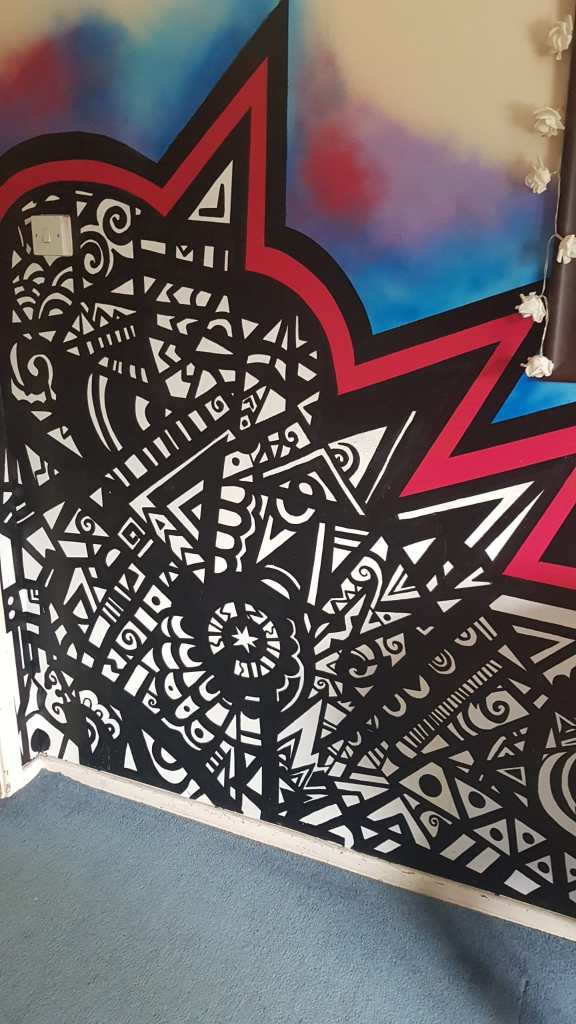
I work with acrylics, paint pens and fineliners, and I also love drawing on my iPad. My art is either fine, detailed doodles or free-flowing pieces built from shapes and patterns. I never plan. I start with a shape and let it grow into a piece, taking inspiration from my emotions, my environment and the music I’m listening to. As my mood changes, so do the shapes, patterns and colours.
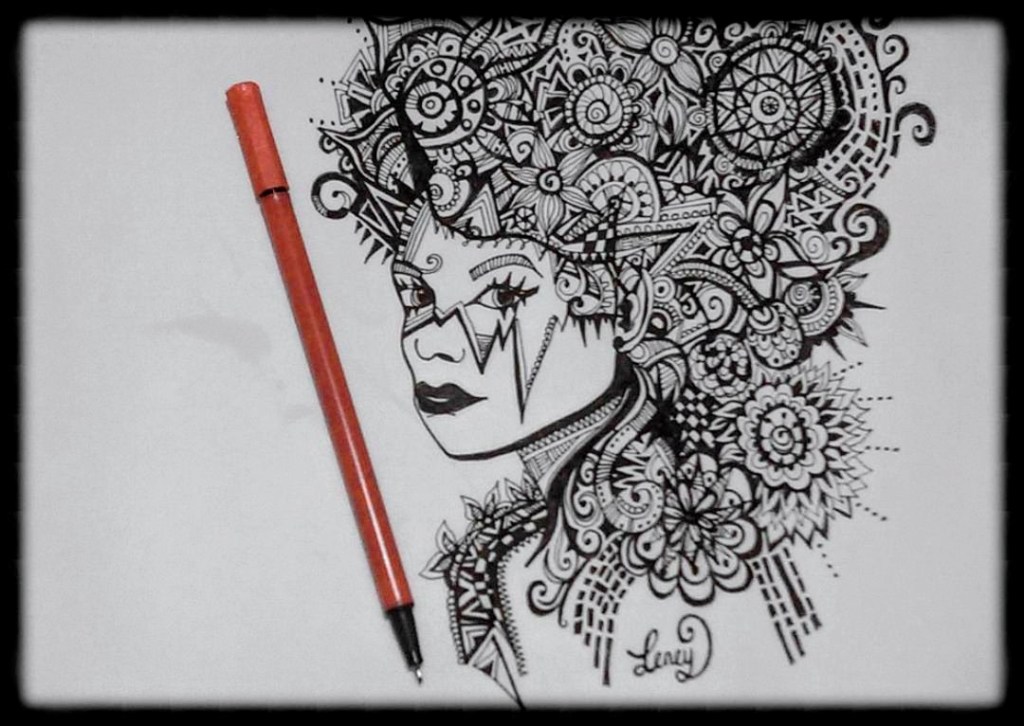
I have ADHD, and my brain is so busy that art helps me with the chaos. Drawing on the iPad is especially interesting because I can see how my brain works, jumping all over the place as I create. I always find it hard to finish a piece, but that’s part of my process too. I’ve always struggled with rejection sensitive dysphoria (RSD), so sharing my art can feel really vulnerable. But it’s also a big part of why I create, as it gives me a safe way to express what I’m feeling.
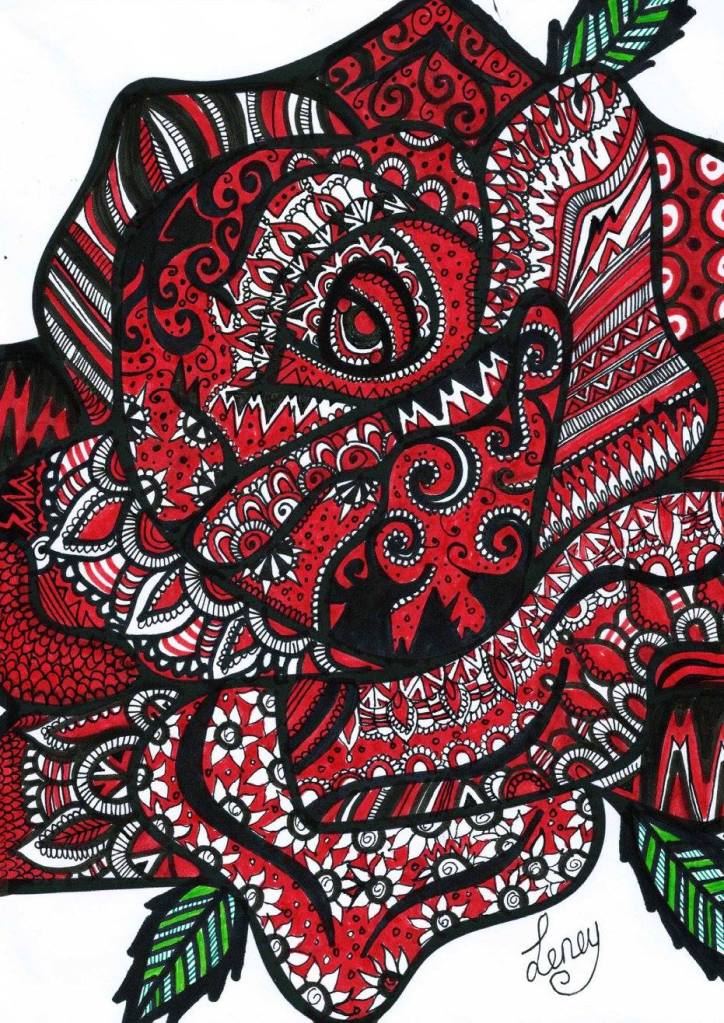
I don’t paint what I see; I paint what I feel. Art is my form of communication. When I can’t describe in words how I feel, I put my frustration, sadness or happiness into a painting or drawing instead. When I’m feeling strong frustration or need an outlet, I always reach for primary colours.
I also love that people see so many different things in my paintings and drawings. I usually leave a piece unexplained at first, so I can hear how others see it before sharing what it’s really about.
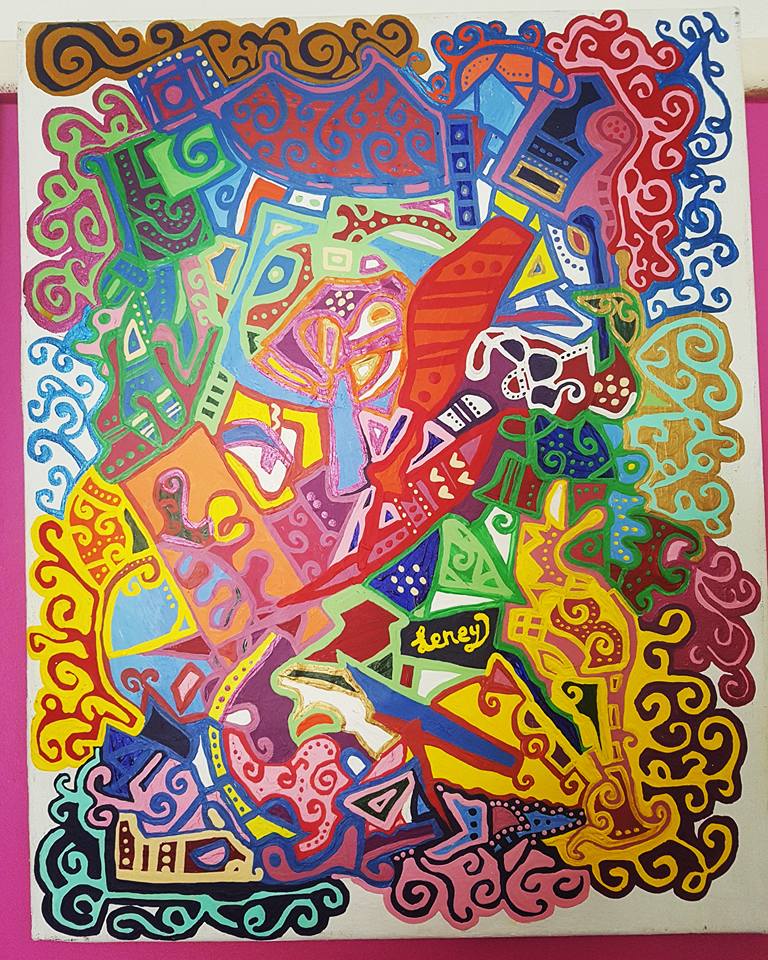
My first influence was African art, with its bright colours and the idea of a story framed within a picture. I loved that concept, and I love that a single painting can hold so much information. I went on to study fine art at college, where I came across lots of different artists and explored different styles:
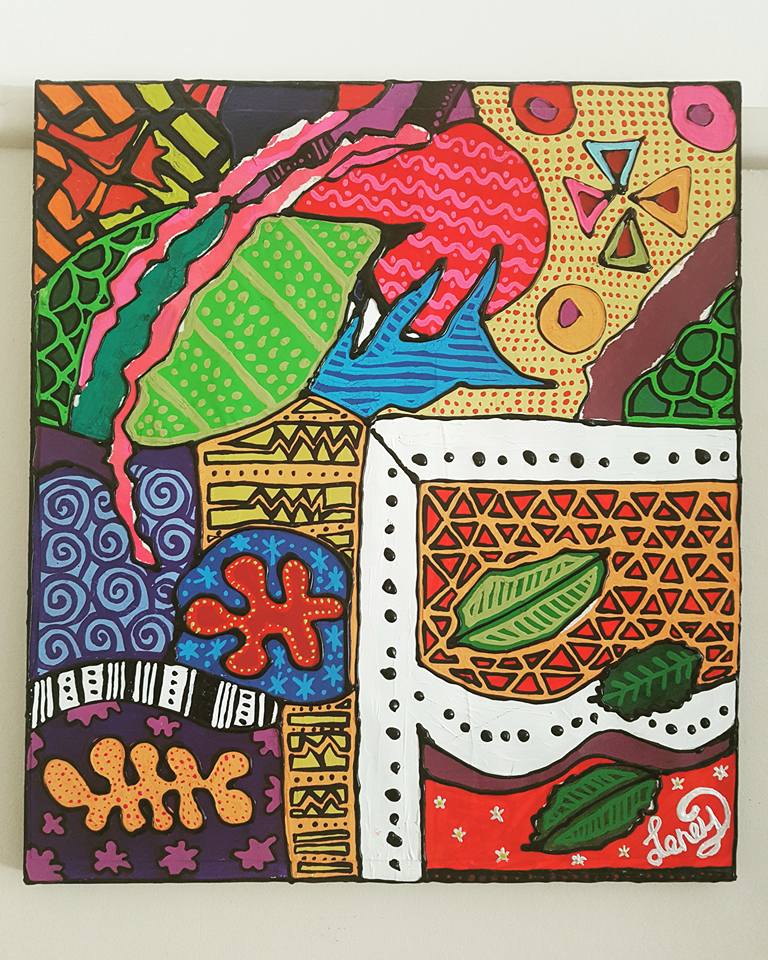
▪ The Bauhaus movement, which stripped art back to simple geometric shapes and primary colours
▪ Kandinsky, who linked colour and shape to music and emotion, believing art could be felt like a song
▪ Paul Klee, whose playful lines and shapes wander freely across the page, guided by colour theory
▪ Picasso, whose Cubism broke subjects down into geometric shapes, showing them from many angles at once
▪ Matisse, who used bold, expressive colour and later created vibrant paper cut-out shapes
Sometimes I take the concept or theory behind an artwork and adapt it into my own.
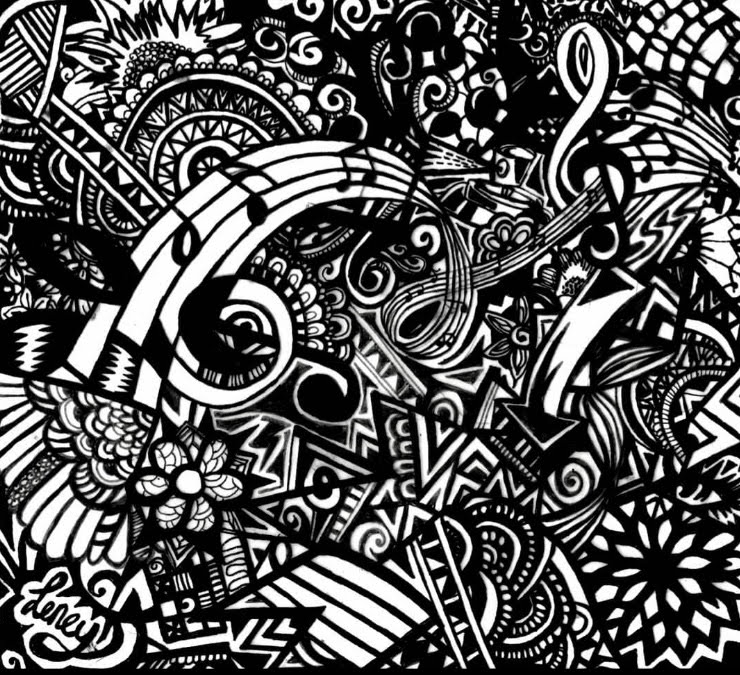
You can see more of my work on Instagram at @leneyart


Leave a Reply